
Epilepsy
Parkinson Disease
Tremor
Treatment of Depression and Addiction

The treatment of epilepsy, Parkinson's disease, tremors, and other movement disorders—such as dystonia, chorea, and Tourette syndrome—is performed using stereotactic surgery. This method involves the targeted ablation of specific brain centers using a fine needle electrode, which helps reduce or eliminate disease symptoms.
An alternative option is brain implantation surgery, where an electrode implant is placed, and the patient is provided with a remote control to manage the stimulation process.
Transcranial magnetic stimulation (TMS) is also gaining widespread popularity worldwide. It is used to treat a variety of conditions where medication management fails to achieve sufficient efficacy.
Epilepsy
Surgical treatment of drug-resistant epilepsy is performed using two approaches:
-
When the epileptogenic focus is identified, it is ablated stereotactically.
-
When the focus is unknown, a vagus nerve stimulator (VNS) is implanted, helping to prevent seizures and keep the condition under control.
Parkinson Disease, Tremor
Surgical treatment of Parkinson's disease, tremor, and other movement disorders is performed using stereotactic approaches—either through targeted ablation of the relevant center or via deep brain stimulation (DBS) with the implantation of an electrode.
Treatment of Depression and Addiction
In the treatment of drug-resistant depression and certain addictions, transcranial magnetic stimulation (TMS) is utilized.


%20_MP4.jpg)

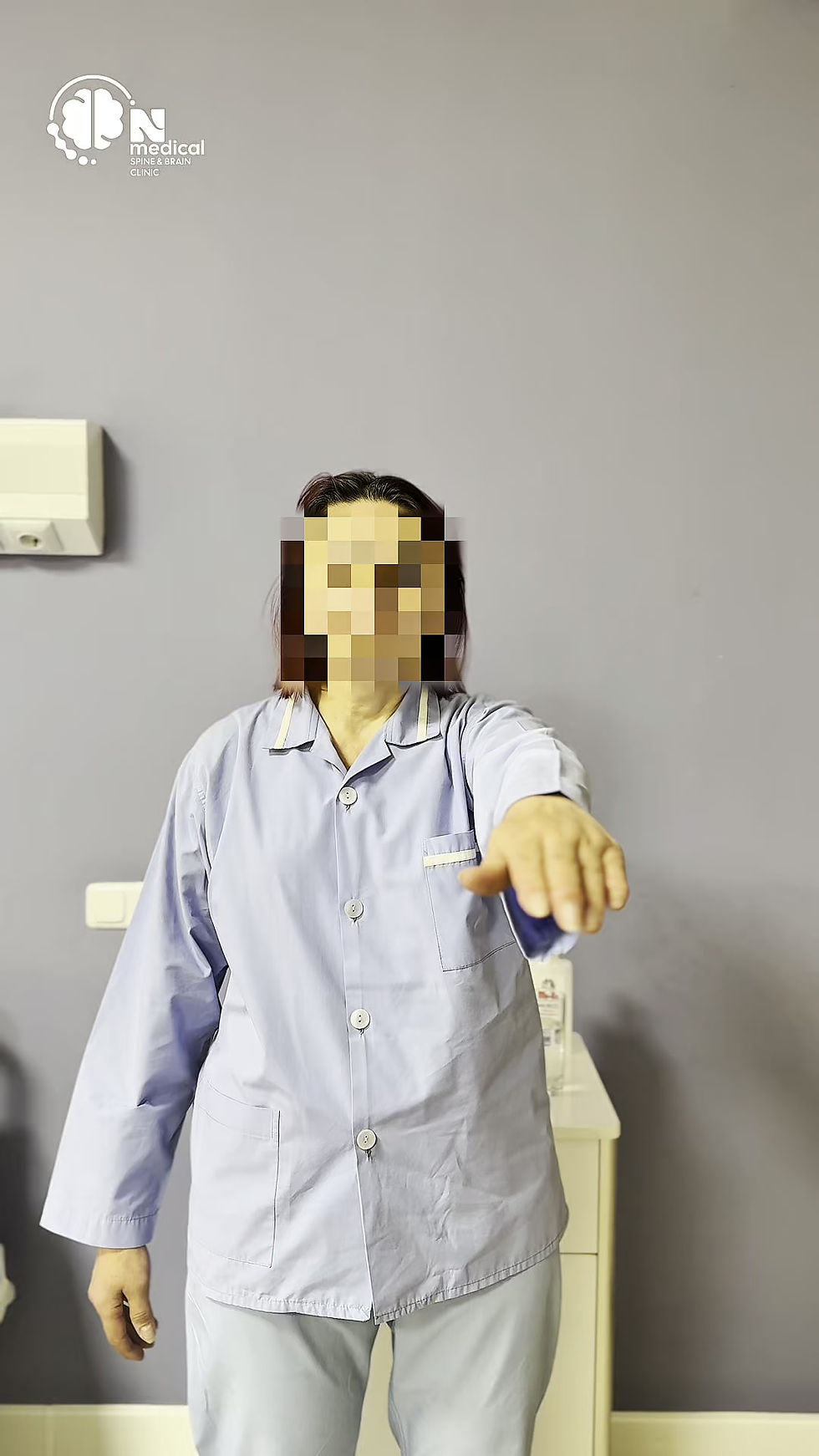
Surgical Treatment of Tremor
Surgical Treatment of Parkinson Disease
Parkinson's Disease Treatment via DBS System Implantationի Ներդրմամբ
_MOV.jpg)


TMS- Effective Treatment of Depression
Modern Treatment of Epilepsy
Parkinson Disease Surgery

Epilepsy Surgery


Surgical Treatment of Tremor